After many years of isolation, Myanmar – often described as a land of “blood, gold and dreams” – is emerging fast. History, religion and culture run deep, and there is a new enthusiasm for trade, enterprise and openness. Tensions remain as the country works out its identity after decades of military rule, but there is also a clear desire for change.
Organisations such as the Myanmar Centre for Responsible Business (MCRB), supported by former foreign diplomats, are pushing for greater transparency. Progress is uneven and many attitudes and institutions from the era of military control still hold back reform, especially in deprived regions, yet the overall direction feels cautiously hopeful.

The selfie arrives:
One visible sign of change is the arrival of the smartphone. Since mobile SIM prices fell from several hundred US dollars to under 1 USD, access has transformed daily life. From shopkeepers to monks, people are embracing social media, taking selfies and using their phones to reach news, information and ideas that were previously out of reach. (Bloomberg: Myanmar opens it’s mobile market)
Development challenge:
Primary industries are trying to modernise, but infrastructure, power outages and creaking legacy systems are still obvious. Parts of downtown Yangon have a faded charm that recalls Havana – another city rich in history and natural wealth, now working out how to re‑emerge and avoid the development pitfalls others have faced.
Gems and mining remain central to Myanmar’s story, and recent offshore oil and gas finds raise hopes of greater energy independence. The teak logging industry has taken a toll on forests, and while replanting programmes exist, this slow-growing hardwood will take time to return. Drugs and the legacy of the “Golden Triangle” still cast a long shadow, and tackling illegal trade remains a major challenge for the government.
Travelling around:
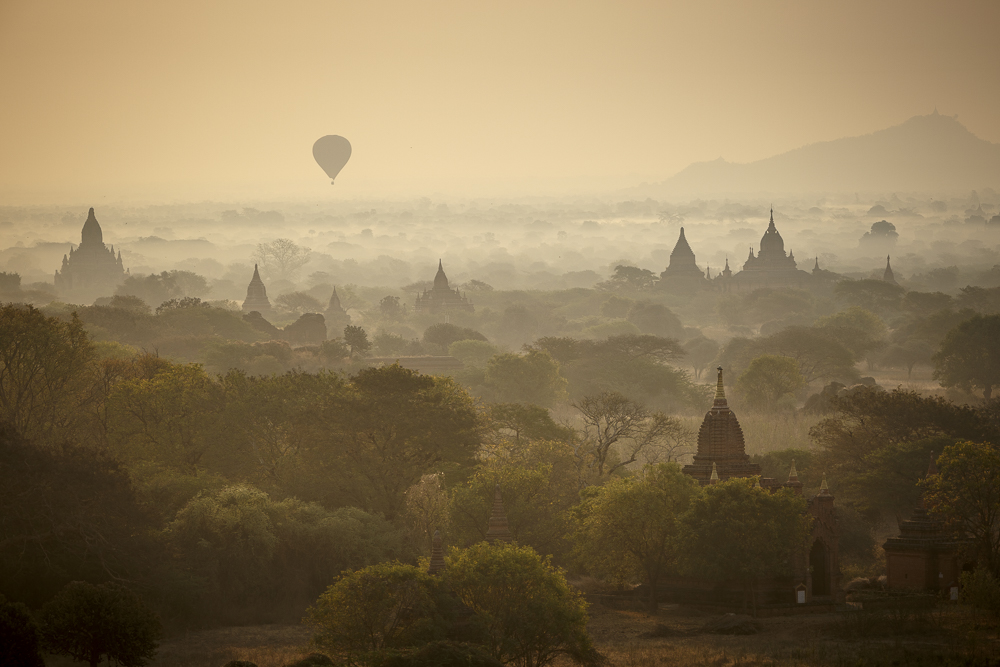
Tourism and the backpacker trail from Thailand are now in full flow, from beaches in the south to the extraordinary temples of Bagan and the evocative heartlands of Mandalay and Lake Inle. Even some northern regions are slowly opening to independent travellers, though strong drug cartels and illegal industries in remote border areas mean mainstream tourism there is still some way off.
Myanmar is still a place where you can travel on a few dollars a day, yet there is also a growing number of good hotels and restaurants. Encouragingly, many in the tourism sector are taking the eco‑challenge seriously: around Bagan, for example, the move to quiet electric e‑bikes helps protect both the environment and the sense of peace as you explore thousands of temples, pagodas and stupas.
Looking beyond the headlines:
“Mingalaba” – a multipurpose greeting, hello and blessing – is the word most visitors will hear first, and it quickly softens any expectations of heavy police presence or constant tension. There are still real challenges in governance and doing business, but the country and its people feel ready to embrace new opportunities. For curious travellers, Myanmar remains very much worth a visit to look beyond the headlines and form your own view.